

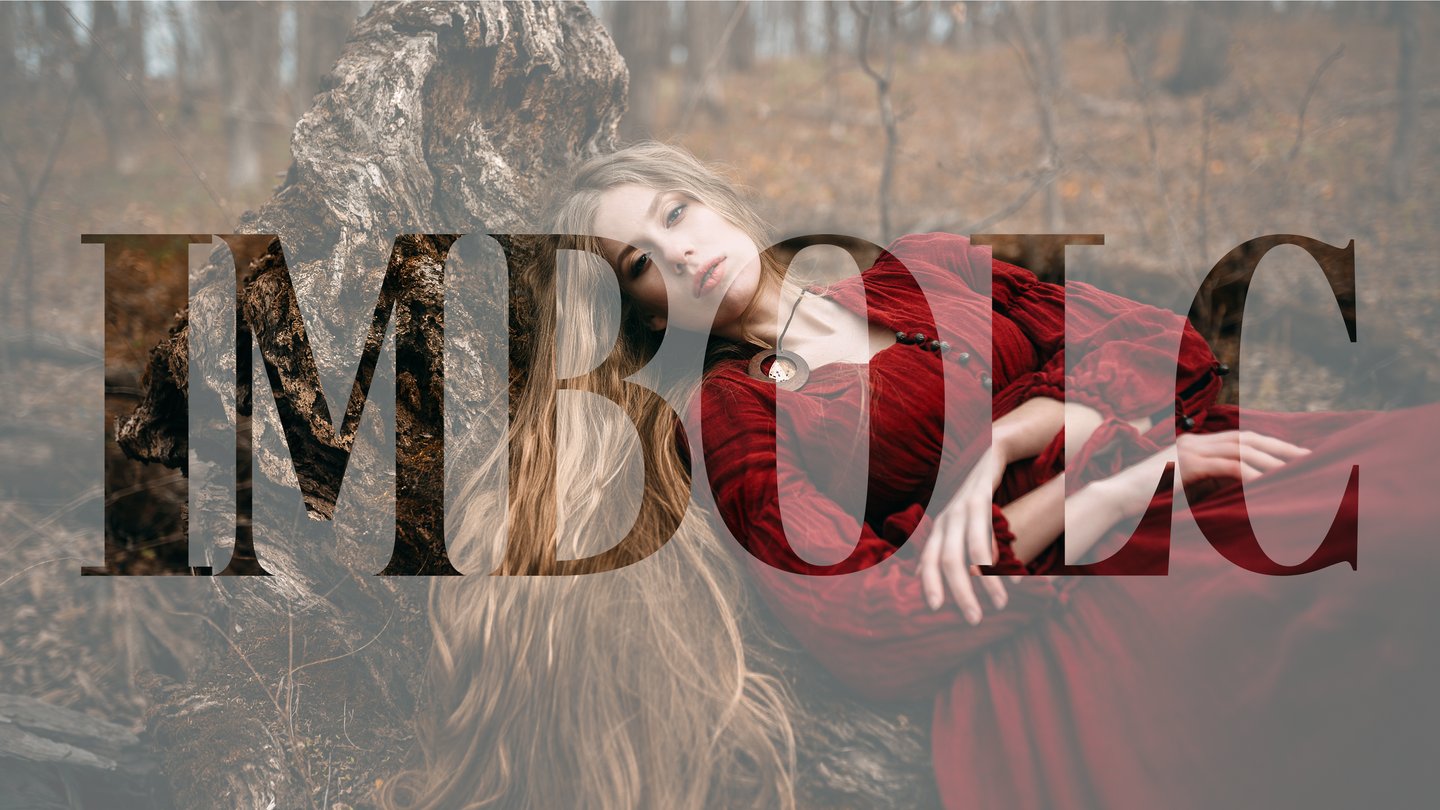
Imbolc is a sacred turning point on the Wheel of the Year, celebrated on February 1st or 2nd, marking the midpoint between the Winter Solstice and the Spring Equinox. While winter still lingers, Imbolc carries the first quiet promise of spring. The days grow longer, the light strengthens, and beneath the frozen ground, life begins to stir.
This is a festival of renewal, purification, inspiration, and hope. Imbolc reminds us that even when growth is not yet visible, it is already happening.
The Origins of Imbolc
The word Imbolc comes from Old Irish and is often translated as “in the belly,” referring to pregnant ewes and the return of milk after the long winter months. This sign of nourishment and survival made Imbolc an important agricultural festival for early Celtic peoples.
Traditional and Modern Practices of Imbolc
1. Candle and Fire Magic
How to Celebrate Imbolc Today
As the earth stirs and light grows stronger, May the fire of Imbolc warm your heart and home. May Brigid’s flame ignite your creativity, And may you be blessed with renewal, inspiration, and hope.
Closing Thoughts



Imbolc is closely associated with Brigid, one of the most beloved goddesses in Celtic tradition. Brigid is the goddess of:
Sacred fire and the hearth
Healing and protection
Poetry, creativity, and inspiration
Smithcraft and transformation
Her eternal flame symbolized light returning to the world and the inner spark that keeps hope alive during dark times. Ancient communities honored Brigid by lighting candles and hearth fires, cleansing their homes, and offering prayers for protection, fertility, and abundance in the coming year.
Imbolc was also a time of ritual purification, preparing both land and spirit for the planting season ahead.
The Spiritual Meaning of Imbolc
Imbolc is not loud or dramatic. Its magic is subtle and deeply personal.
This Sabbat invites us to:
Release what no longer serves us
Clear stagnant energy from our homes and hearts
Reconnect with inspiration and purpose
Tend gently to dreams that are not yet ready to bloom
It is a season of quiet becoming, where intention matters more than action.
Lighting candles is one of the most important Imbolc traditions. Each flame honors Brigid and the growing strength of the Sun. Candles represent hope, creativity, and protection.
Imbolc is an ideal time for both physical and energetic cleansing. Sweeping floors, opening windows, and clearing clutter mirrors the internal work of releasing emotional heaviness and winter stagnation.
2. Home Cleansing
Altars often include:
White, red, or gold candles
Snowdrops or early spring flowers
Milk, butter, or bread offerings
Symbols of creativity like pens, journals, or art tools
3. Creating a Brigid Altar
Traditionally woven from straw or rushes, Brigid’s Cross is hung above doors or windows for protection and blessings throughout the year.
4. Brigid’s Cross
Imbolc is the perfect time to name what you wish to grow. These intentions are gentle seeds, not demands. Write them down, speak them aloud, or place them on your altar.
5. Setting Intentions
A Blessing for Imbolc
You do not need elaborate tools or ceremonies to honor Imbolc. Simple, intentional acts carry the most power.
Light a candle at sunrise or sunset
Clean and bless your living space
Journal about what you are ready to release and what you hope to nurture
Spend time creating, writing, or dreaming
Take a quiet walk and notice signs of life returning
Prepare simple foods like milk, bread, or soup with gratitude
Imbolc asks us to slow down, listen inward, and trust the unseen process of growth.
Imbolc teaches us that transformation does not begin with sudden change, but with gentle awareness. It is the sacred pause between darkness and light, between rest and renewal.
As you honor this season, remember that you do not need to have everything figured out. Like the earth beneath winter’s frost, your dreams are already alive.
Trust the light.
Tend the flame.
Spring is on its way.
Blessed Imbolc