The Ancient Roots of Aromatherapy
Where Scent Meets Spirit
Long before aromatherapy had a name, humans understood the quiet power of aromatic plants. Scent was one of our earliest forms of medicine, ritual, and communication with the unseen. Across continents and centuries, plants were honored not only for what they healed in the body, but for what they awakened in the spirit.
Aromatherapy has always lived at the crossroads of science and spirit. It was never just about fragrance. It was about presence, memory, and the unseen threads that connect the physical world to the energetic one.
Plants as Living Allies
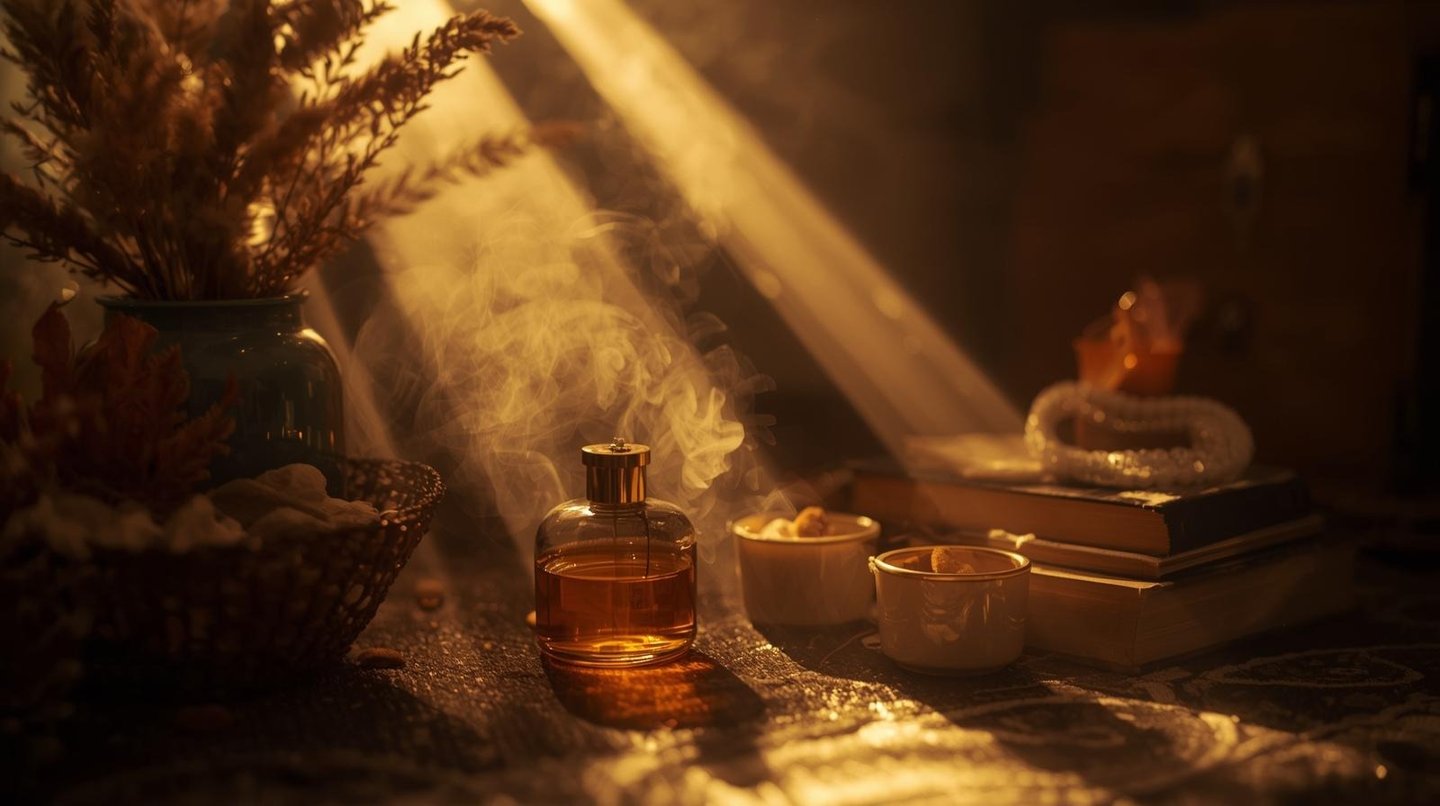
Ancient cultures recognized plants as living beings with intelligence, energy, and purpose. When leaves were crushed, resins burned, or oils infused, it was believed that the plant’s spirit was released into the air. Breath became the bridge. Healing entered through the senses.
This understanding appears again and again throughout history. While the methods differed, the belief remained the same: aromatic plants carried wisdom.
Egypt: Scent as Sacred Offering
In ancient Egypt, aromatics were woven into every layer of life. Resins and oils were used in medicine, beauty rituals, embalming practices, and spiritual ceremonies. Frankincense, myrrh, cedarwood, and lotus were considered gifts of the gods.
Perfumed oils were applied to the skin not only to nourish it, but to align the body with divine order. Temples burned aromatic resins to purify sacred space, and scent was believed to help guide the soul through the afterlife.
To the Egyptians, aroma was protection, devotion, and preparation for eternity.
Greece and Rome: Healing Through Touch and Bath
The Greeks and Romans expanded the use of aromatic oils through massage, bathing, and physical healing. Infused oils were worked into the muscles to ease pain, improve circulation, and restore balance after physical exertion.
Public bathhouses became places of restoration, where warm water and scented oils worked together to cleanse both body and mind. Physicians of the time documented the effects of herbs and aromatics, laying early groundwork for the scientific study of plant medicine.
Here, aromatherapy lived in the body. It soothed, strengthened, and restored.
Ayurveda: Scent and Elemental Balance
In Ayurvedic tradition, aromatherapy was deeply tied to elemental harmony. Scents were chosen based on their ability to balance the doshas and support the natural rhythms of the body.
Warm, grounding aromas soothed excess air and anxiety. Cooling scents calmed inner fire. Earthy notes anchored scattered energy. Oils were selected with care, honoring both physical constitution and emotional state.
Scent was never random. It was a conversation between the elements and the self.
Folk Healers and Everyday Magic
Beyond temples and texts, folk healers carried aromatic wisdom through generations. Lavender tucked beneath pillows for sleep. Rosemary burned for protection. Chamomile and rose for emotional comfort. Pine and juniper to cleanse spaces and ward off illness.
These practices were simple, intuitive, and deeply rooted in daily life. Aromatic plants became companions through grief, illness, childbirth, and rest. They protected homes, eased troubled hearts, and helped people feel safe in an uncertain world.
This was aromatherapy as everyday magic.
What unites all of these traditions is the understanding that scent works on many levels at once. Aromatic plants affect the nervous system, the emotions, and the energetic body simultaneously. Modern science now explains what ancient cultures already knew through experience.
Aromatherapy is chemistry and consciousness. Molecules and memory. Breath and belief.
It invites us to slow down, inhale deeply, and remember that healing does not always arrive loudly. Sometimes it comes softly, carried on the air.
The Bridge Between Science and Spirit
Today, when we open a bottle of essential oil or crush a leaf between our fingers, we are stepping into a lineage thousands of years old. We are continuing a relationship that humans have always had with plants.
Aromatherapy is not a trend. It is a remembering.
And the plants are still speaking, if we are willing to listen.
A Living Tradition