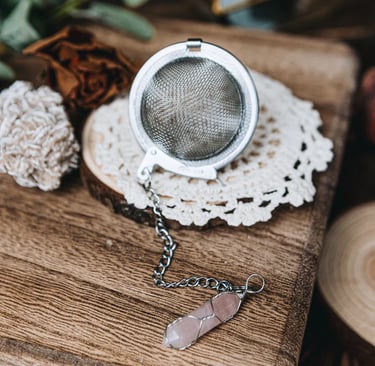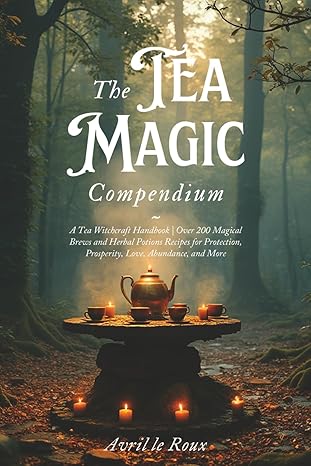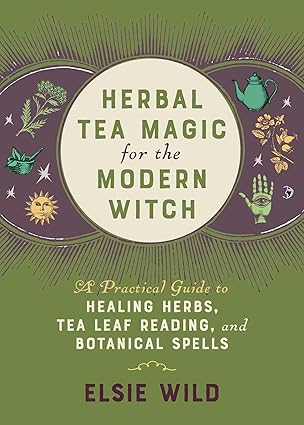


There is something wonderfully enchanting about a garden that can be gathered into a teacup.
Imagine stepping outside on a quiet morning, when the dew still glistens upon the leaves and the world has yet to fully awaken.
The lavender sways gently in the breeze. Mint tumbles happily over the edge of its pot. Chamomile lifts its tiny white blossoms toward the sunshine, while rosemary stands proudly nearby, its fragrant branches carrying the wisdom of countless generations.
You gather a few leaves, perhaps a flower or two, and return to your kitchen.
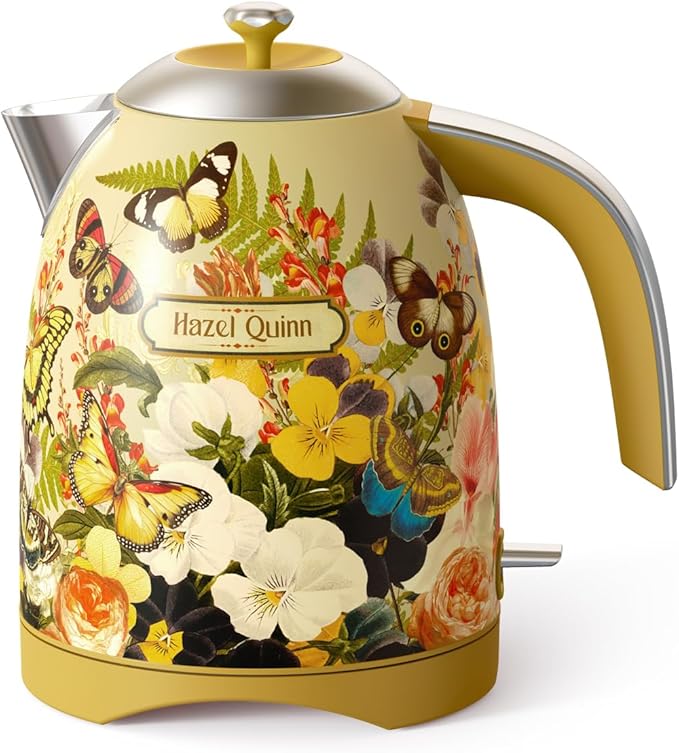
The kettle begins to sing.
Steam curls toward the ceiling.
And within minutes, your garden has become something rather extraordinary.
A cup of tea.
But not just any tea.
A cup filled with intention, botanical wisdom, and a little everyday magick.
For centuries, herbs have been cultivated for their fragrance, flavor, culinary uses, and place in cultural traditions. Many have also found their way into folklore, spiritual practices, and the gardens of those who seek a deeper connection with the natural world.
And for the modern witch, a tea garden offers something especially beautiful.
It is a place to slow down.
To learn the language of plants.
To observe the changing seasons.
And to remember that magick does not always require elaborate rituals or mysterious ingredients.
Sometimes, it begins with a handful of leaves and a favorite teacup.
So, dear reader, put the kettle on, settle into your favorite cozy corner, and join me as we explore ten enchanting herbs to grow in your very own witch's tea garden.
Because somewhere between the garden gate and the kitchen table, a little botanical magick is waiting to be discovered.
The Enchantment of a Witch's Tea Garden
A witch's tea garden is more than a collection of herbs.
It is a living botanical grimoire.
Each plant carries its own history, folklore, symbolism, and seasonal rhythms.
Some have long been associated with love and friendship.
Others symbolize protection, clarity, peace, courage, or prosperity.
When we grow these plants ourselves, we develop a relationship with the natural world that cannot quite be replicated by purchasing a box of tea from the grocery store.
We learn which plants enjoy the morning sunshine.
Which prefer a little afternoon shade.
Which need frequent watering.
And which seem perfectly content to be left alone for a while.
A tea garden also teaches patience.
Seeds do not sprout simply because we ask them to.
Flowers bloom when their conditions are right.
And sometimes, despite our very best intentions, a plant decides it would rather grow somewhere else.
Such is the wisdom of gardening.
The Earth reminds us that growth is a partnership, not a command.
Before we wander among our ten botanical companions, one important distinction: a plant's magical correspondences are symbolic traditions, not proven medical effects. Herbs used for tea must be correctly identified, food-safe, and appropriate for the person drinking them.
Now, shall we open the garden gate?
1. Chamomile: The Golden Blossom of Peace and Prosperity
Matricaria chamomilla, also known as German chamomile
If a witch's tea garden had a resident sweetheart, I suspect chamomile would be a rather strong contender.
With its delicate white petals and cheerful golden centers, chamomile looks as though someone scattered tiny daisies across the garden simply to make the world smile.
Yet beneath its gentle appearance lies a rich history of traditional use and botanical folklore.
Chamomile has long been enjoyed as an herbal infusion, particularly as part of evening routines.
In contemporary magical practice, it is associated with peace, prosperity, patience, and emotional balance.
Its golden blossoms have also inspired solar correspondences, connecting the plant symbolically with warmth, optimism, and abundance.
Magical correspondences
Element: Water
Planet: Sun
Magical intentions: Peace, prosperity, relaxation, gentle renewal
Tarot association: The Sun
Garden personality: Cheerful, delicate, and quietly abundant
Growing chamomile
German chamomile is an annual herb that often self-seeds when allowed to flower.
It enjoys full sun and well-drained soil, although it can tolerate some light shade.
Harvest the flower heads once they have opened fully, ideally on a dry day.
The blossoms may be used fresh or properly dried for tea.
A little chamomile magick
Prepare a cup of chamomile tea and take a moment to appreciate three simple blessings in your life.
As the steam rises, whisper:
Golden blossom, soft and bright,
Bring gentle peace into my night.
With grateful heart and spirit free,
May simple blessings come to me.
Tea garden wisdom: Chamomile belongs to the daisy family. Anyone with allergies to ragweed or related plants should use caution, and chamomile can interact with certain medications.
2. Lavender: The Fragrant Guardian of Serenity
Lavandula angustifolia, English lavender
Ah, lavender.
The herb that seems to have wandered straight out of an enchanted cottage garden.
With its silvery-green leaves and fragrant purple blossoms, lavender has been treasured for centuries in perfumery, household traditions, and botanical preparations.
Its fragrance alone can make an ordinary afternoon feel a little more peaceful.
In magical folklore, lavender is commonly associated with love, purification, tranquility, and protection.
It is a beautiful botanical companion for anyone wishing to create a garden devoted to calm reflection.
Magical correspondences
Element: Air
Planet: Mercury
Magical intentions: Peace, love, purification, harmony
Tarot association: Temperance
Garden personality: Elegant, fragrant, and wonderfully serene
Growing lavender
Lavender loves sunshine.
Give it at least six hours of direct sunlight daily and soil that drains exceptionally well.
It dislikes sitting in wet conditions, particularly during winter.
English lavender is often the most practical choice for culinary gardens, although winter survival depends on the variety, drainage, and local climate.
Harvest flower spikes as the buds begin to open.
Only use lavender specifically identified as culinary-grade and grown without unsuitable pesticides.
A little lavender magick
Add a very small amount of culinary lavender to a suitable tea blend.
As you prepare your cup, imagine the day's worries gently settling.
Whisper:
Purple blossoms, sweet and fair,
Bring a little peace into the air.
May my thoughts grow calm and clear,
And quiet comfort linger here.
Tea garden wisdom: Lavender has a strong flavor, so a little goes a long way. Culinary lavender flowers are different from lavender essential oil, which should not be added to tea.
3. Peppermint: The Bright Herb of Clarity and Renewal
If chamomile is the gentle dreamer of the garden, peppermint is the lively friend who arrives with fresh ideas and absolutely no intention of sitting still.
Its vibrant green leaves and unmistakable fragrance make it one of the most recognizable herbs for tea.
Peppermint has a long history of culinary use and is commonly enjoyed as a refreshing herbal infusion.
Within modern magical traditions, peppermint is associated with clarity, renewal, prosperity, and energetic freshness.
It is especially lovely when you want a symbolic fresh start.
Magical correspondences
Element: Air
Planet: Mercury
Magical intentions: Clarity, prosperity, renewal, motivation
Tarot association: Ace of Swords
Garden personality: Spirited, refreshing, and a little mischievous
Growing peppermint
Peppermint is enthusiastic.
Very enthusiastic.
Given the opportunity, it may attempt to claim your entire garden as its personal kingdom.
For this reason, growing peppermint in a separate container is often the wisest choice.
It prefers moist, fertile soil and grows well in full sun to partial shade.
Harvest leaves throughout the growing season, ideally before flowering for a particularly pleasant flavor.
A little peppermint magick
Prepare peppermint tea while thinking about a project or task that needs your attention.
As you sip, consider one small action you can take to move forward.
Leaf of freshness, bright and green,
Help me welcome thoughts serene.
With open mind and purpose true,
I greet the day with something new.
Tea garden wisdom: Peppermint tea may worsen acid reflux in some people. Be especially careful not to confuse culinary peppermint with pennyroyal or other unsuitable mint relatives.
4. Lemon Balm: The Gentle Herb of Joy and Friendship
There is something delightfully cheerful about lemon balm.
Its soft green leaves release a fresh, lemony fragrance when gently brushed, as though the plant has been keeping a little sunshine tucked away for just such an occasion.
Lemon balm has a long history in European herbal traditions and has been enjoyed as a fragrant infusion for generations.
In botanical magick, it is commonly associated with friendship, joy, love, comfort, and emotional harmony.
It is a particularly lovely herb for those moments when life feels a little too hurried.
Magical correspondences
Element: Water
Planet: Moon
Magical intentions: Joy, friendship, comfort, harmony
Tarot association: The Star
Garden personality: Friendly, fragrant, and full of sunshine
Growing lemon balm
Lemon balm is a perennial herb in many temperate climates.
It grows well in full sun or partial shade and prefers reasonably fertile, well-drained soil.
Once established, it can spread through self-seeding, so occasional pruning helps keep it manageable.
Harvest young leaves regularly to encourage fresh growth.
A little lemon balm magick
Prepare a cup of lemon balm tea and think of someone who brings warmth into your life.
Perhaps send them a kind message afterward.
Sometimes the most beautiful love magick is simply reminding someone that they matter.
Little leaf of lemon bright,
Fill this moment with delight.
May kindness bloom and friendship grow,
Where gentle words and warm hearts flow.
Tea garden wisdom: Lemon balm may cause drowsiness or interact with some medicines. Check with a qualified healthcare professional when medication interactions or thyroid conditions are a concern.
5. Rosemary: The Evergreen Keeper of Memory and Protection
Rosemary is one of those herbs that seems to carry an entire library of folklore within its fragrant branches.
Its needle-like leaves and woody stems give it a wonderfully ancient appearance.
For centuries, rosemary has appeared in culinary traditions, remembrance customs, wedding symbolism, and household folklore.
In magical practice, it is often associated with protection, purification, memory, loyalty, and wisdom.
Rosemary reminds us that some of the most meaningful things in life deserve to be remembered.
Magical correspondences
Element: Fire
Planet: Sun
Magical intentions: Protection, remembrance, clarity, loyalty
Tarot association: The Hermit
Garden personality: Wise, steadfast, and quietly protective
Growing rosemary
Rosemary thrives in full sun and very well-drained soil.
It prefers relatively dry conditions once established and dislikes wet roots.
In colder regions, growing rosemary in a container makes it easier to bring indoors before freezing weather.
Harvest small sprigs throughout the growing season.
A little rosemary magick
Add a small, food-safe sprig of rosemary to a tea blend with lemon or another compatible herb.
As you prepare your tea, reflect on a lesson that has served you well.
Rosemary, keeper of days gone by,
Beneath the sun and changing sky,
May wisdom guide the path I see,
And treasured lessons stay with me.
Tea garden wisdom: Rosemary is strongly flavored, and culinary quantities are different from concentrated extracts or essential oils. Avoid using rosemary essential oil in tea.
6. Thyme: The Tiny Herb of Courage and Strength
Do not let thyme's tiny leaves fool you.
This little herb has a rather impressive reputation.
In European folklore, thyme became associated with courage, bravery, and strength.
Its name has been connected through historical interpretation with ideas of spirit and vitality, while its fragrant leaves have long been valued in kitchens and gardens.
In magical practice, thyme symbolizes courage, purification, resilience, and personal confidence.
It is a wonderful botanical companion when you need a little encouragement.
Magical correspondences
Element: Water
Planet: Venus
Magical intentions: Courage, purification, strength, confidence
Tarot association: Strength
Garden personality: Small, determined, and surprisingly bold
Growing thyme
Thyme loves full sun and well-drained soil.
It thrives in raised beds, rock gardens, and containers.
Once established, it is relatively drought-tolerant.
Harvest tender sprigs before or during early flowering, and avoid cutting deeply into old woody growth.
A little thyme magick
Prepare a mild thyme infusion using culinary thyme.
Before drinking, think of something you have been hesitant to begin.
Then ask yourself what one courageous, manageable step might look like.
Tiny leaves and roots held strong,
Remind me where my heart belongs.
With gentle courage, I shall see,
The strength that quietly lives in me.
Tea garden wisdom: Thyme is generally used in small culinary quantities. Concentrated thyme oil is not interchangeable with the herb and should not be added to homemade tea.
7. Holy Basil (Tulsi): The Sacred Herb of Devotion and Harmony
Some plants are deeply woven into the spiritual traditions of the cultures that have cherished them for generations.
Tulsi, also known as holy basil, is one such botanical.
In Hindu traditions, tulsi is revered as a sacred plant and is associated with devotion, purity, and the goddess Tulsi, as well as Vishnu.
It is often cultivated near homes and temples and holds religious significance far beyond its use as an herbal beverage.
Tulsi is also enjoyed as a fragrant tea, with a distinctive flavor that varies among cultivars.
For those outside these traditions, learning about tulsi offers an opportunity to appreciate its cultural history respectfully.
Magical correspondences
Element: Fire, in some modern correspondence systems
Planet: Sun, in some modern interpretations
Spiritual themes: Devotion, purification, harmony, gratitude
Tarot association: Temperance, as a modern symbolic pairing
Garden personality: Fragrant, graceful, and deeply meaningful
Growing tulsi
Tulsi enjoys warm temperatures, full sun, and fertile, well-drained soil.
It is sensitive to frost and is often grown as an annual in colder climates.
Regular harvesting encourages bushier growth.
Its leaves can be used fresh or dried for tea.
A little tulsi reflection
Prepare a cup of tulsi tea and spend a few moments considering what devotion means in your own life.
Perhaps it is devotion to family.
To a creative calling.
To personal growth.
Or to caring for the natural world.
Rather than borrowing sacred religious ceremonies, allow the moment to become a simple practice of gratitude.
May gratitude guide the work I do,
And kindness shape the path I choose.
Tea garden wisdom: Tulsi may interact with medications affecting blood sugar or clotting, and its safety during pregnancy is not well established. Seek professional guidance when appropriate.
8. Rose: The Queen of Love and Heartfelt Magick
Rosa species, using food-safe fragrant petals
Ah, the rose.
Surely no enchanted garden would be complete without her.
For centuries, roses have appeared in poetry, mythology, perfumery, celebrations, and spiritual symbolism.
Their beauty has inspired stories of love, devotion, beauty, secrecy, and transformation.
In magical traditions, roses are commonly associated with Venus, affection, compassion, harmony, and self-love.
And while we often imagine roses as grand flowers growing in elaborate gardens, many varieties can thrive beautifully in smaller spaces.
Magical correspondences
Element: Water
Planet: Venus
Magical intentions: Love, compassion, harmony, beauty
Tarot association: The Empress
Garden personality: Romantic, graceful, and wonderfully expressive
Growing roses for tea
Choose fragrant, edible rose varieties suitable for culinary use.
Roses generally appreciate several hours of direct sunlight, fertile soil, good air circulation, and consistent watering.
Harvest petals from flowers that have not been treated with unsuitable pesticides.
Remove the bitter white base of the petals if desired.
Rose petals may be used fresh or properly dried in tea blends.
A little rose magick
Prepare a gentle rose-petal tea.
As you sip, think of one way you can show yourself a little more kindness.
Perhaps it means resting.
Forgiving yourself for a small mistake.
Or making time for something that brings genuine joy.
Petals soft and blossoms fair,
May love and kindness fill the air.
With open heart and spirit free,
I welcome gentle love to me.
Tea garden wisdom: Never assume florist roses are safe for consumption. Use only correctly identified, food-safe flowers grown without inappropriate chemical treatments.
9. Calendula: The Golden Flower of Sunshine and Renewal
Calendula is one of those flowers that seems determined to bring a little brightness wherever it grows.
With blossoms ranging from sunny yellow to glowing orange, calendula looks as though someone planted tiny pieces of sunset in the garden.
Historically, calendula has appeared in culinary, cosmetic, and traditional botanical preparations.
In modern magical practice, it is often associated with sunshine, optimism, protection, creativity, and renewal.
Its cheerful appearance makes it a delightful addition to any witch's tea garden.
Magical correspondences
Element: Fire
Planet: Sun
Magical intentions: Joy, protection, creativity, renewal
Tarot association: The Sun
Garden personality: Radiant, cheerful, and wonderfully generous
Growing calendula
Calendula is relatively easy to grow from seed.
It prefers full sun in cooler weather and may appreciate afternoon shade during intense summer heat.
Regularly harvesting the flowers encourages additional blooms.
The colorful petals can be dried for culinary infusions and decorative tea blends.
A little calendula magick
Add a few properly dried, food-safe calendula petals to a suitable tea blend.
As you prepare your cup, think about something that has recently brought light into your life.
Golden flower, bright and true,
Bring a little sunshine through.
May hope awaken, warm and clear,
And joyful moments gather near.
Tea garden wisdom: Calendula is not the same plant as common garden marigolds of the genus Tagetes. Calendula may also cause reactions in people sensitive to plants in the daisy family.
10. Anise Hyssop: The Enchanted Herb of Sweetness and Abundance
Our final botanical companion is a delightful herb that deserves far more attention in the witch's garden.
Anise hyssop produces beautiful purple flower spikes, fragrant leaves, and a sweet aroma reminiscent of anise and mint.
Despite its common name, it is not the same plant as true hyssop, Hyssopus officinalis.
Anise hyssop is native to parts of North America and is especially beloved by bees, butterflies, and other pollinators.
Its leaves and flowers can be used to make a pleasantly sweet herbal tea.
In a contemporary magical garden, it makes a lovely symbol of generosity, abundance, friendship, and the beautiful connections between living things.
Magical correspondences
Element: Air, as a modern symbolic association
Planet: Venus, as a modern symbolic association
Magical intentions: Abundance, sweetness, friendship, harmony
Tarot association: Six of Pentacles
Garden personality: Welcoming, fragrant, and generous to pollinators
Growing anise hyssop
Anise hyssop enjoys full sun and well-drained soil.
Once established, it is relatively drought-tolerant and can return as a perennial in many colder regions.
Its purple flowers attract pollinators throughout the summer.
Harvest leaves and flowers during the growing season for fresh or dried tea.
A little anise hyssop magick
Prepare a cup of anise hyssop tea and reflect on the ways generosity moves through your life.
What kindness have you received?
What kindness might you offer?
Sweet blossoms dancing in the sun,
Remind me we are all as one.
Through gifts of kindness, freely shared,
May love grow strong and hearts be cared.
Tea garden wisdom: Use only correctly identified Agastache foeniculum from a food-safe source. Its magical associations here are contemporary interpretations rather than established ancient correspondences.
Affirmations for the Tea Garden Witch
I nurture my dreams with the same patience and care I offer my garden.
I welcome the wisdom of nature into my everyday life.
Every leaf, blossom, and season has something beautiful to teach me.
I honor the Earth through thoughtful, responsible, and grateful choices.
My daily rituals create space for peace, reflection, and joy.
Like the herbs in my garden, I am allowed to grow at my own pace.
I find magick in the ordinary moments that make life extraordinary.
Closing Thoughts: A Little Magick in Every Cup
There is something rather beautiful about the journey from seed to teacup.
A tiny seed is placed beneath the soil.
Rain falls.
Sunlight warms the Earth.
Roots begin to stretch into the darkness.
And one day, a little green leaf appears.
With time and care, that leaf becomes part of a thriving plant.
And eventually, perhaps, part of a fragrant cup of tea.
It is such a simple process.
And yet, when we truly stop to consider it, it feels extraordinary.
A witch's tea garden reminds us that magick need not be complicated.
It does not always require an elaborate altar, a rare crystal, or a spell written in an ancient language.
Sometimes it looks like watering the lavender before breakfast.
Harvesting a few mint leaves on a warm afternoon.
Watching a bee settle upon an anise hyssop blossom.
Or sitting beside the window with a steaming cup of chamomile while the rain gently taps against the glass.
These are the moments when the mystical and the everyday meet.
And perhaps that is the loveliest lesson of all.
We do not need to search far and wide for a little magick. Sometimes, we only need to plant it, nurture it, and allow it to grow.
So, dear reader, whether your tea garden fills an entire backyard or consists of three little pots upon a sunny windowsill, may it bring you joy.
May it teach you patience.
May it offer you moments of quiet reflection.
And may every fragrant cup remind you that the Earth has always been a generous teacher.
Now, if you'll excuse me, I believe the kettle is calling.
And there is a perfectly lovely cup of tea waiting to be enjoyed.
Until our paths cross again in the enchanted garden, may your herbs grow abundantly, your teacup remain warm, and your days be filled with the gentle magick of nature.


References to add to your magical library or grimoire
This page contains affiliate links*, meaning I may earn a small commission on qualifying purchases at no extra cost to you. Miss Dana's Wisdom showcases only products I personally use or genuinely believe my readers will love. Thank you for your support!